








How Car Rental Websites in the UAE Protect Customer Data During Online Bookings
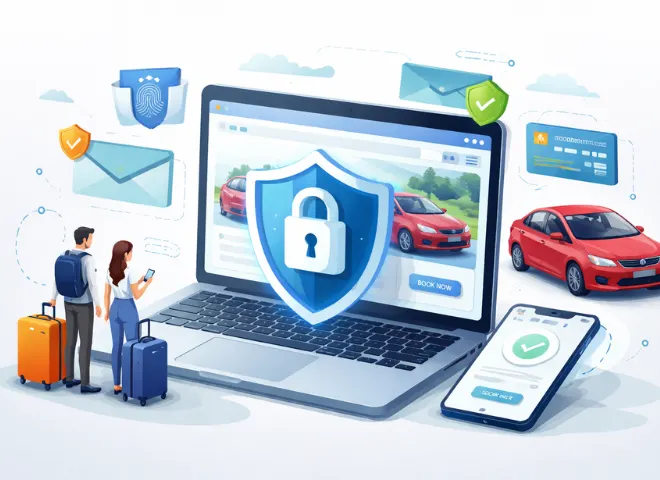
Online car rental in the UAE has evolved fast. What once required in-person visits, paperwork, and long queues is now handled through a few clicks on a website. Customers can compare vehicles, upload documents, make payments, and confirm bookings without stepping outside.
But this convenience comes with responsibility.
Car rental websites process high-risk personal and financial data, making them a prime target for cyber threats. For established rental platforms like Royal Star UAE, protecting customer data is not just about technology it’s about trust, legal compliance, and long-term brand credibility.
Let’s take a closer look at how professional car rental websites in the UAE safeguard customer information during online bookings.
The Types of Customer Data Car Rental Websites Handle
Before understanding protection methods, it’s important to recognize what kind of data is involved. A typical online booking process may collect:
- Full name and contact details
- Passport or Emirates ID information
- Driving license copies
- Pickup and drop-off location preferences
- Credit or debit card details
- IP addresses and booking activity logs
This combination of identity data + financial data requires a much higher level of security compared to basic websites.
Secure Website Architecture and HTTPS Encryption
One of the most fundamental protections used by car rental websites is HTTPS encryption backed by SSL/TLS certificates.
This ensures:
- Data transmitted between the customer’s device and the website server is encrypted
- Sensitive details cannot be intercepted by third parties
- Users can verify website authenticity via browser security indicators
Without HTTPS, online booking platforms risk exposing customer data during form submissions—especially on unsecured networks.
Trusted Payment Gateways and Financial Data Protection
Reputable UAE car rental websites do not store raw card details on their servers. Instead, they integrate with secure, PCI-DSS–compliant payment gateways.
These gateways:
- Encrypt payment data during transactions
- Replace card numbers with secure tokens
- Prevent internal misuse of financial information
This separation significantly reduces the risk of data breaches and protects both customers and businesses from fraud.
Secure Upload and Storage of Customer Documents
Document uploads are unavoidable in car rentals. Driving licenses, IDs, and passports must be verified before handing over a vehicle.
To protect these files, professional platforms use:
- Encrypted cloud storage systems
- Role-based access control (only authorized staff can view files)
- Secure deletion policies once documents are no longer required
This minimizes internal exposure and ensures customer data isn’t stored longer than necessary.
Account Security and User Authentication
Many car rental websites now allow users to create accounts for faster bookings and tracking reservations. To protect these accounts, platforms implement:
- Strong password requirements
- Session timeouts after inactivity
- Login monitoring and suspicious activity alerts
Some advanced systems also apply two-factor authentication for administrative access, reducing the risk of internal compromise.
Protection Against Common Cyber Threats
Car rental websites are vulnerable to attacks such as:
- SQL injection
- Cross-site scripting (XSS)
- Brute-force login attempts
To counter these threats, companies rely on:
- Web application firewalls (WAFs)
- Regular vulnerability scans
- Automated security updates
Ongoing monitoring ensures threats are detected early before damage occurs.
The Risk of Public Wi-Fi for Online Bookings
A major concern often overlooked is where customers book from. Tourists and business travelers frequently use:
- Airport Wi-Fi
- Hotel networks
- Café or mall hotspots
These networks can be unsecured or monitored. Even if the rental website itself is secure, public networks increase exposure risks.
In such situations, privacy-conscious users sometimes rely on tools like a Proxy VPN to encrypt their browsing activity and reduce the chance of data interception while completing online bookings.
This added layer of privacy is especially useful for frequent travelers booking cars on the move.
Compliance With UAE Data Protection Expectations
UAE businesses are increasingly expected to follow structured data protection practices, including:
- Clear privacy policies
- Transparent data usage disclosures
- Secure handling of personal information
Compliance reassures customers that their data is handled responsibly and aligns businesses with evolving digital regulations in the region.
Internal Staff Training and Access Control
Technology alone isn’t enough. Human error is still one of the biggest causes of data breaches.
Responsible car rental companies:
- Limit staff access to sensitive customer data
- Train employees on data handling practices
- Monitor system access logs
This reduces accidental leaks and internal misuse.
Building Customer Trust Through Digital Security
For car rental websites, security directly affects conversion rates and repeat business. Customers are more likely to:
- Complete bookings
- Store details for future rentals
- Recommend the service
when they feel confident that their personal information is protected.
In a competitive UAE rental market, digital trust is a differentiator, not just a technical requirement.
Final Thoughts
Online car rental platforms in the UAE operate in a data-sensitive environment where trust, convenience, and security must coexist. By combining encrypted connections, secure payments, controlled document storage, and proactive threat monitoring, car rental websites can protect customer data while delivering a seamless booking experience.
For customers, understanding basic online safety—and being mindful of how and where bookings are made—adds another layer of protection.
In the end, secure systems benefit everyone: safer customers, stronger brands, and a more reliable digital rental ecosystem.
Share

Wahid Zaman
Table of Contents

- daily_price
│
- monthly_price
- Auto

- Online Booking
- Insurance Included